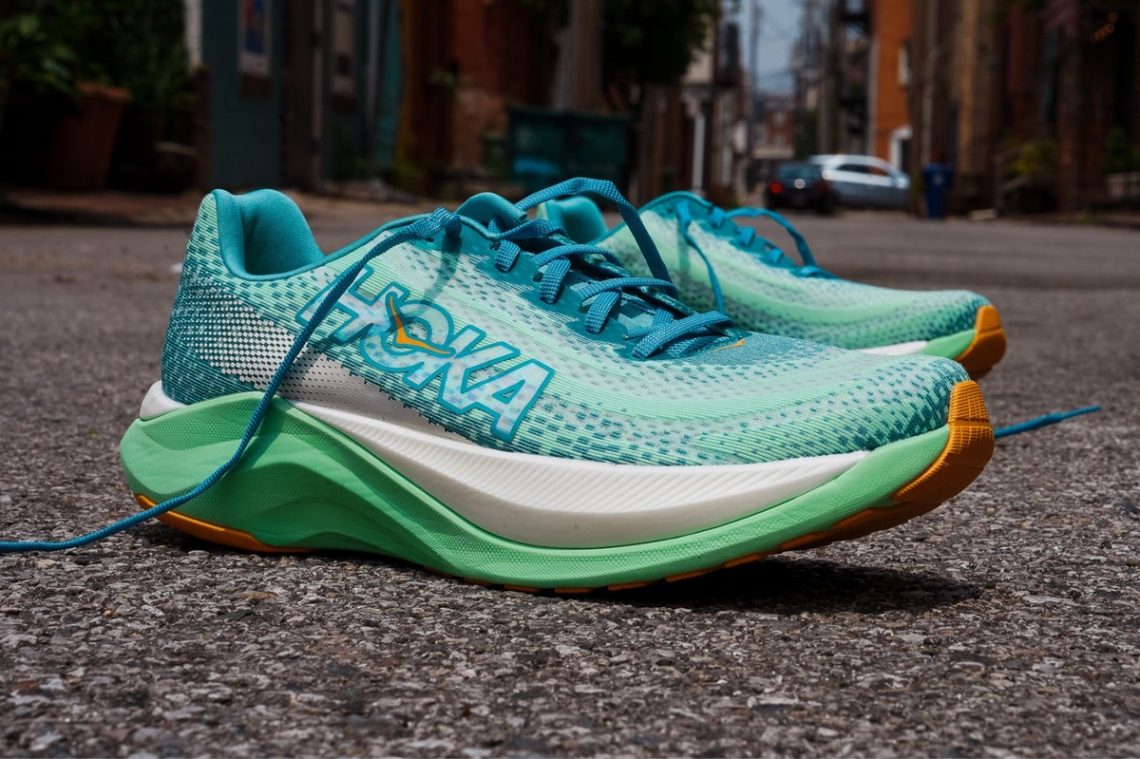
Stepping into the Clouds: My Deep Dive into Hoka Running Shoes
Let’s talk about shoes. Not just any shoes, but the ones that have quite literally changed the way I experience movement, whether it’s pounding pavement, scrambling up trails, or simply standing for hours. I’m talking about Hoka. If you’ve been in the running or walking community for any length of time, you’ve undoubtedly seen those distinctive, often brightly colored, thick-soled shoes everywhere. For a long time, I was one of those people who admired them from afar, wondering if they were just a fad, or if there was truly something special about them. Well, dear readers, I finally took the plunge, and my feet have been thanking me ever since.
My journey with Hoka started a few years ago. I was at a point where my daily runs were becoming less enjoyable. A nagging ache in my knees, combined with the general wear and tear of pushing 40, meant that every mile felt like a negotiation with my joints. I’d tried various brands, different levels of cushioning, and even orthotics, but nothing truly seemed to address the core issue of impact stress. That’s when a friend, a seasoned ultra-marathoner, practically insisted I try Hoka. “They’re like running on clouds,” he’d say, “You just have to get past the look.”
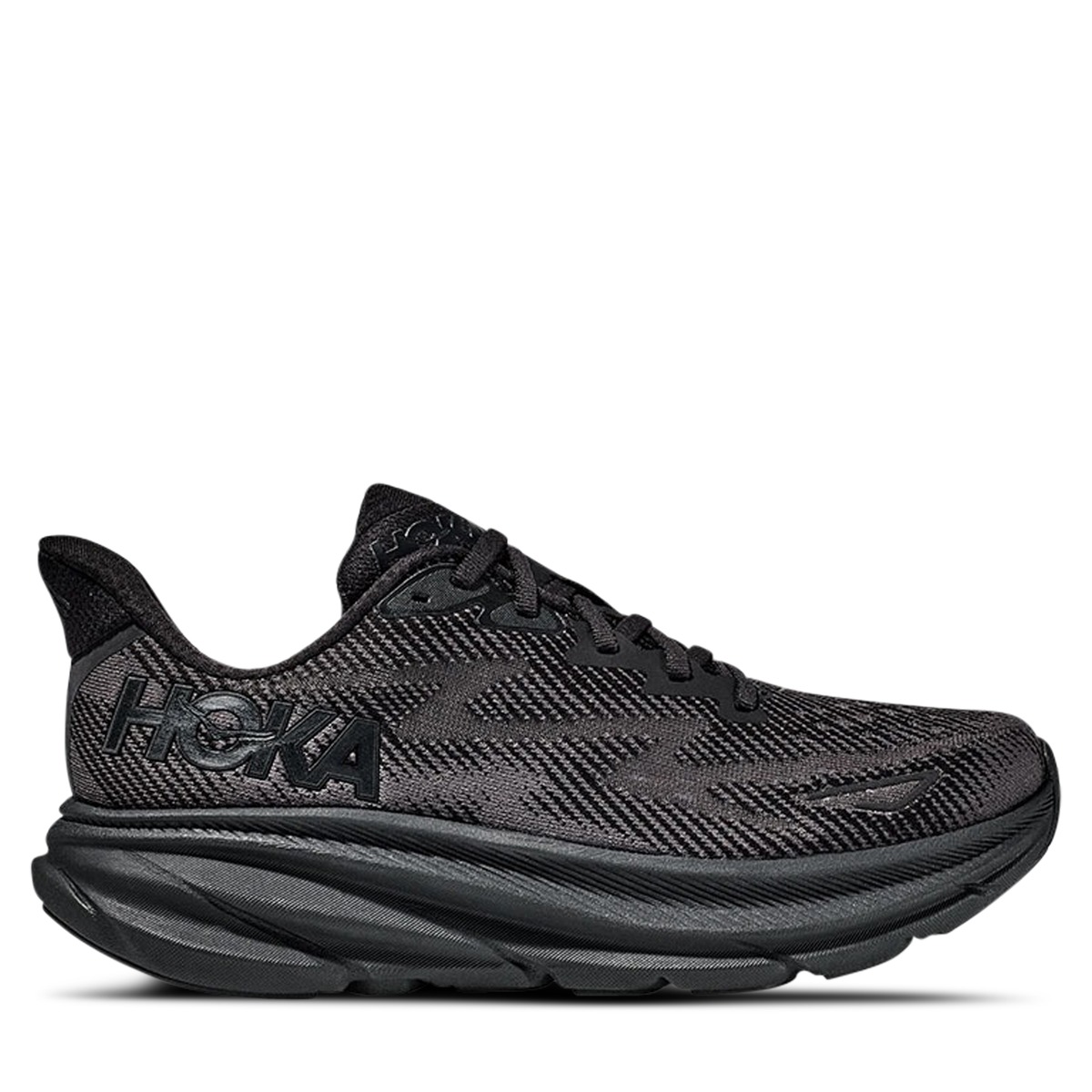
Initially, I was skeptical. The aesthetic, while undeniably unique, wasn’t what I was used to. These weren’t the sleek, minimalist shoes dominating the running scene a decade ago. Hoka shoes were… chunky. But my friend’s enthusiasm, coupled with my desperation for comfort, finally won me over. I remember walking into a running store, feeling a bit sheepish as I asked to try on a pair. The moment I slipped my foot into the Hoka Clifton, it was like a revelation. The cushioning was unlike anything I had ever experienced. It wasn’t just soft; it felt supportive, resilient, and, yes, incredibly comfortable. It genuinely felt like a cloud, but a firm, supportive cloud. That day, I walked out with my first pair, and a new chapter in my running life began. For anyone curious to explore the full range or learn more, their official website, Visit Official www.hokaoneone.com Website Now.
What Makes Hoka, Hoka? The Core Philosophy and Technology
So, what exactly is it that sets Hoka apart? It boils down to a few key design principles that diverge significantly from traditional running shoe philosophy.
Firstly, and most visibly, is the **maximalist cushioning**. This is the brand’s signature. Unlike minimalist shoes that aim for a natural, barefoot-like feel, Hoka embraces the idea of providing maximum shock absorption. This isn’t just about having a lot of foam; it’s about strategically engineered midsoles that offer a plush yet responsive ride. This extra cushioning is a godsend for anyone dealing with joint pain, recovering from injuries, or simply wanting to extend their mileage without feeling beaten up. For my knees, it was a game-changer, allowing me to run further and more consistently without the post-run aches I’d grown accustomed to.
Then there’s the **Meta-Rocker Geometry**. This is where Hoka gets clever with its sole design. Imagine the sole of the shoe being shaped like a rocking chair. This geometry is designed to facilitate a smooth, efficient stride by encouraging a quicker transition from foot strike to toe-off. It genuinely feels like the shoe is propelling you forward, reducing the effort needed for each step. When I first started running in them, I noticed a subtle but distinct ease in my gait, almost as if I was rolling through my steps rather than stomping.
The **Active Foot Frame** is another ingenious feature. Instead of your foot sitting on top of the midsole, Hoka designs their shoes so that your foot sits *within* the midsole. Think of it like a bucket seat for your foot. This provides inherent stability without the need for traditional, often bulky, stability posts. It cradles the foot, offering security and support that feels natural and unobtrusive. This was particularly noticeable for me on uneven terrain, where my foot felt securely held without feeling restricted.
Finally, despite their often substantial appearance, Hoka shoes are surprisingly **lightweight**. This is crucial. If a maximalist shoe were also heavy, it would negate many of the benefits. Hoka uses advanced foam compounds that are both highly cushioned and incredibly light, allowing for that plush feel without dragging your feet down. This combination of maximal cushioning and minimal weight is truly where Hoka shines.
My Own Use: From Pavement to Peaks with Hoka
Over the years, I’ve had the pleasure (and privilege) of trying out several Hoka models, each tailored for specific activities, but all delivering that signature Hoka feel.
**Hoka Clifton:** This was my gateway shoe, and it remains my daily workhorse. The Clifton series (I’m currently on my fifth pair, the Clifton 9) is renowned for its balanced cushioning – enough plushness for long runs, but still responsive enough for tempo work. I’ve logged hundreds of miles in various Clifton iterations, from leisurely morning jogs around my neighborhood to half-marathon training. What I appreciate most is its versatility. It performs beautifully on pavement, offers enough grip for light gravel paths, and keeps my feet happy even after two hours on the move. The upper has consistently improved over generations, offering a comfortable and breathable fit without any hot spots. For anyone looking for a do-it-all neutral trainer, the Clifton is an exceptional choice.
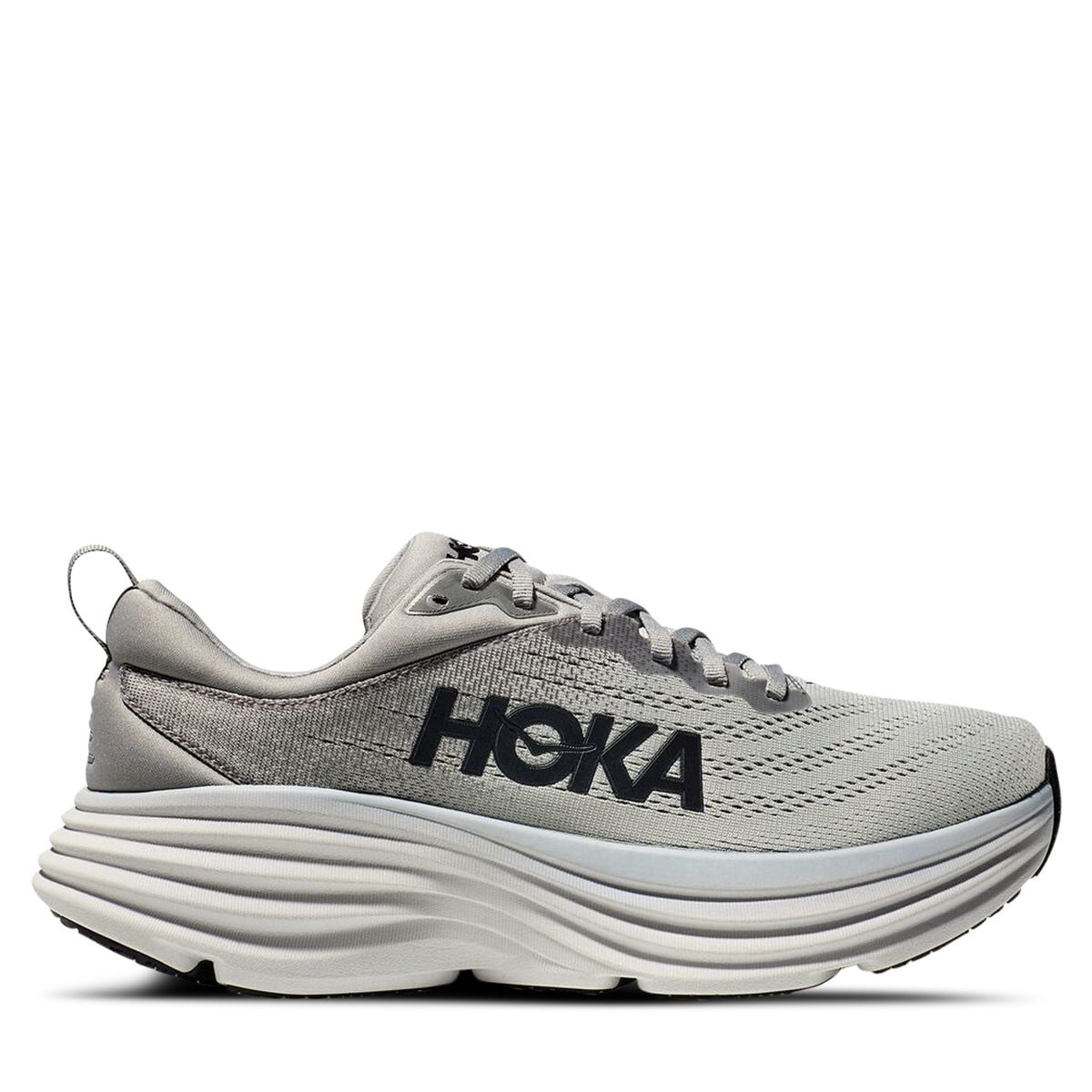
**Hoka Bondi:** When I needed *even more* cushioning, perhaps for recovery runs or days when my feet felt particularly tired, I turned to the Bondi. The Bondi is essentially the king of cushion in the Hoka lineup. It’s significantly softer and offers an even more protective ride than the Clifton. I’ve found it invaluable for those truly grueling long runs, especially when dealing with any lingering soreness. It’s also become my go-to shoe for travel days where I know I’ll be on my feet for extended periods, exploring new cities. It’s not the shoe I’d pick for speed work, but for pure, unadulterated comfort and joint protection, the Bondi is unmatched.
**Hoka Speedgoat:** My trail running adventures truly took off when I discovered the Speedgoat. Named after Karl Meltzer, “The Speedgoat” himself, this shoe is built to conquer rugged terrain. The cushioning is still very Hoka-esque, but it’s firmer and more protective, offering excellent ground feel without sacrificing comfort. The star of the show, however, is the Vibram Megagrip outsole. I’ve tackled slippery roots, loose scree, muddy slopes, and rocky climbs, and the Speedgoat has always provided confidence-inspiring traction. My personal experience on a particularly challenging 20-mile mountain trail race was transformed by these shoes; I finished with significantly less foot fatigue and more stable footing than I ever would have in road shoes. The wider toe box also allows for natural foot splay, which is crucial for comfort on long trail efforts. You can find detailed specifications for all these models and more at Visit Official www.hokaoneone.com Website Now.
**Hoka Challenger ATR:** This model is another excellent example of Hoka’s versatility. The Challenger ATR (All-Terrain) is essentially a road shoe with trail capabilities. It has the cushioning profile similar to a Clifton but with a more aggressive outsole, making it perfect for mixed-terrain runs – those days when you start on pavement, transition to a dirt path, and then hit some light trails. I’ve found it to be a fantastic option when I’m unsure of what the trail might throw at me or when I’m not tackling anything overly technical. It strikes a great balance between comfort and grip, making it a truly versatile performer.
My overall experience with Hoka shoes has been overwhelmingly positive. They’ve allowed me to continue pursuing my passion for running and staying active without constantly battling pain. The durability has also been impressive. While no running shoe lasts forever, I’ve consistently gotten excellent mileage out of my Hoka pairs, often exceeding the typical 300-500 miles recommended for most running shoes, especially the Cliftons and Bondis.
Who Are Hoka Shoes For?
While Hoka started as a niche brand for ultra-runners, their appeal has broadened considerably. Today, I’d recommend Hoka to a wide range of people:
* **Road Runners & Walkers:** Especially those who crave maximum cushioning and shock absorption. If you’re prone to shin splints, runner’s knee, or simply want a more forgiving ride, Hoka is worth considering.
* **Trail Runners:** With models like the Speedgoat, Mafate, and Stinson, Hoka offers robust options for technical terrain, ensuring comfort and grip.
* **Healthcare Professionals & Service Workers:** Anyone who spends long hours on their feet will find the plush cushioning incredibly beneficial. My sister, a nurse, swears by her Hoka Bondis for her 12-hour shifts.
* **People with Joint Pain or Recovering from Injury:** The maximal cushioning can significantly reduce impact on knees, hips, and ankles, aiding in recovery and enabling continued activity.
* **Walkers and Hikers:** For everyday walks, urban exploration, or even light hiking, Hoka provides unparalleled comfort.
* **Those Seeking a “Cloud-Like” Experience:** If you prioritize comfort above all else, Hoka delivers.
What Others Are Saying: Real Customer Feedback
It’s not just me singing Hoka’s praises. I’ve gathered feedback from friends, online forums, and fellow runners, and the sentiment is consistently positive, especially regarding comfort and pain relief.
“I used to dread long runs because of my persistent knee pain,” shared Sarah, a fellow runner from my local club. “My podiatrist suggested Hoka Bondis, and honestly, it’s like night and day. My knees feel so much better, and I can actually enjoy my runs again.”
Mark, a trail enthusiast, commented on his Speedgoats: “I took these on a multi-day backpacking trip with some serious elevation, and the grip was incredible. Even more surprising was how fresh my feet felt at the end of each day. No blisters, no extreme soreness – just pure comfort.”
A nurse named Jessica, whom I met at a clinic, told me, “Working 12-hour shifts on hard hospital floors used to kill my feet. My Hoka shoes, specifically the Clifton, have been a lifesaver. My feet don’t ache anymore, and I feel less fatigued overall.”
And from a casual walker, Linda: “I just wanted a comfortable shoe for my daily walks in the park. My daughter convinced me to try Hoka. They look a bit big, but the comfort is simply unmatched. I feel like I’m floating!”
Addressing the Elephant in the Room: Aesthetics and Price
I know what some of you might be thinking: “But they look so bulky!” Yes, Hoka shoes do have a distinct, often larger-than-average appearance. They embrace their maximalist design, and that’s okay. While some might find them less aesthetically pleasing than sleeker designs, I’ve come to appreciate their unique look. It’s a testament to their function-first design philosophy. And honestly, once you experience the comfort, the aesthetics become secondary. For those concerned about style, Hoka has also introduced more subtle colorways and refined designs in recent years, proving that comfort doesn’t always have to come at the expense of contemporary fashion. You can check out the latest styles and models directly at their official US website: https://www.hoka.com/en/us/.
Then there’s the price. Hoka shoes are not cheap. Ranging typically from $140 to $170 for most models, they represent a significant investment. However, in my experience, they are absolutely worth it. Considering the relief from pain, the extended running life they’ve given me, and their impressive durability, the cost per mile (or per comfortable hour on your feet) is surprisingly low. Think of it as an investment in your physical well-being and your ability to stay active and comfortable.
The Verdict: Should You Give Hoka a Try?
Absolutely. If you prioritize comfort, joint protection, and a genuinely unique running or walking experience, Hoka shoes are a must-try. They might look different, but they deliver on their promise of a cushioned, supportive, and surprisingly nimble ride. Whether you’re an avid runner looking to mitigate impact, a professional on your feet all day, or simply someone seeking ultimate comfort for everyday activities, there’s likely a Hoka model that will fit your needs perfectly.
For me, Hoka has transformed my relationship with movement. The freedom from constant knee pain and general foot fatigue has been truly liberating. It’s allowed me to push my boundaries, enjoy my favorite trails, and simply feel better at the end of a long day. If you’re on the fence, I wholeheartedly encourage you to give them a go. You might just find your new favorite pair of shoes.
Ready to experience the cloud-like comfort for yourself? Head over to their official website to explore their diverse range of footwear and find the perfect pair for your journey. Trust me, your feet will thank you. Visit Official www.hokaoneone.com Website Now.


You May Also Like
My Deep Dive into thisisjwh: Uncovering Skincare Magic for Real Results
Unpacking Chery Industrial: My Deep Dive into Workshop Upgrades and Why They Impressed Me