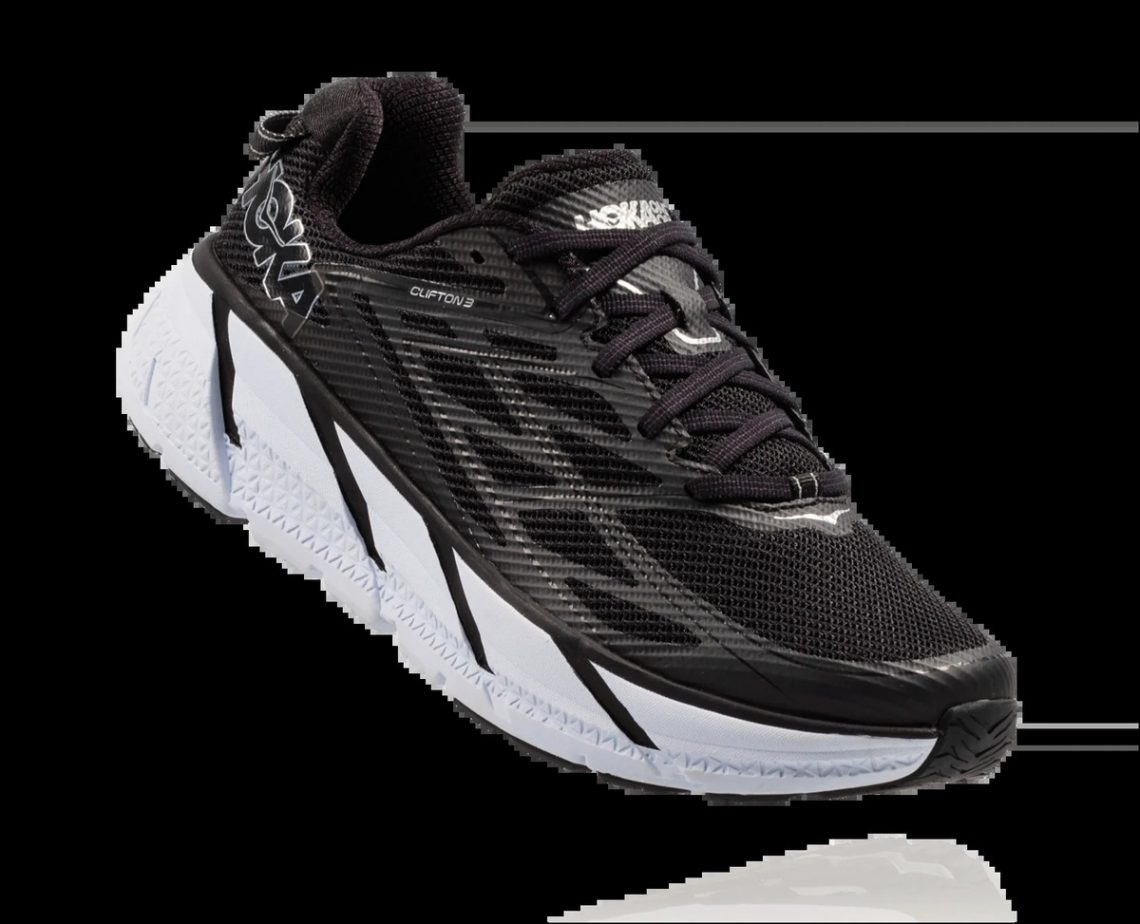
Hoka Shoes: My Personal Journey to Unrivaled Comfort and Performance
Hey everyone! If you’re anything like me, you’ve probably seen those distinctive, max-cushioned shoes popping up everywhere – on runners, walkers, even folks just casually strolling around town. For a while, I was curious but a bit skeptical. Could a shoe really live up to all the hype about “cloud-like” comfort and unparalleled support? I’d seen them on social media, in local running stores, and even spotted a few friends sporting them, but their unconventional, often chunky appearance made me pause. I was a creature of habit when it came to footwear, preferring brands I’d known for years, shoes with a more “traditional” silhouette. Yet, that nagging curiosity, coupled with the increasingly frequent aches and pains in my knees and feet after long days or particularly ambitious walks, finally prompted me to take a closer look. After countless miles, many walks, and even just days spent on my feet, I’m ready to spill the beans on my long-term relationship with Hoka shoes and why they’ve become a non-negotiable part of my daily life.
My personal journey with Hoka didn’t start with a grand leap, but rather a slow, cautious step born out of necessity. I’d been a loyal wearer of other popular running shoe brands for years, always prioritizing a decent amount of cushioning and some stability. However, as I got older, and especially after picking up a new habit of longer distance walking – often covering 5-10 miles a few times a week – my body started sending me clear signals. That familiar dull ache after a long day or a particularly ambitious trail walk? It was becoming a regular, unwelcome guest. My feet felt fatigued, my knees sometimes throbbed, and the impact from each step seemed to reverberate more profoundly through my legs. Friends, fellow enthusiasts, and even my physical therapist kept dropping the “Hoka” name into conversations. “You should really check out Hoka,” they’d say, “especially if you need that extra cushion and want to reduce impact.” After enough nudges and a particularly grueling week of foot pain, I finally gave in and decided to explore what all the fuss was about at www.hokaoneone.com.
The Hoka Difference: More Than Just a Chunky Sole
Before I even laced up my first pair, I did my research. What makes Hoka stand out in a crowded market? It’s not just the thick sole that catches your eye; there’s some serious, thoughtful engineering at play. Hoka’s design philosophy revolves around three core concepts: maximal cushioning, a meta-rocker geometry, and an active foot frame. Understanding these elements helped me appreciate the science behind the distinctive feel.
* **Maximal Cushioning:** This is the big one, literally. Hoka uses an abundance of lightweight foam to provide superior shock absorption. For someone like me, who felt every pebble through a thinner sole and the jarring impact of concrete sidewalks, this was a game-changer prospect. It’s about reducing impact and making each step feel dramatically softer, which is a profound blessing for joints, muscles, and overall foot health, especially on longer efforts or hard surfaces. The first time I felt it, it wasn’t just “soft” – it was like the ground itself had become forgiving, absorbing rather than resisting my stride.
* **Meta-Rocker Geometry:** This refers to the curved sole shape. Think of it like a rocking chair for your foot, designed to promote a smooth and efficient stride by guiding your foot through its natural gait cycle. I wasn’t sure how noticeable this would be, but it really does create a distinct, almost effortless roll forward with each step. It felt like my foot wasn’t working as hard to push off, almost gently nudged into the next phase of my stride. This subtle propulsion added a springiness that I hadn’t experienced before.
* **Active Foot Frame:** This is a clever design element. Instead of sitting *on* the midsole, your foot sits *in* it, cradled within a raised sidewall, much like a bucket seat. This provides inherent stability without the need for traditional, sometimes intrusive, stability posts that can feel rigid or restrictive. For someone who sometimes needs a touch of support but dislikes feeling “controlled” by a shoe, this sounded ideal. My foot felt securely nested, not just resting on a flat surface, offering a sense of confidence and balance.
Transitioning from my usual shoes, which often had a more traditional heel-to-toe drop and firmer ride, was quite an experience. The first time I slipped on a pair of Hokas, it was like my feet collectively sighed in relief. The cushioning wasn’t just soft; it was deeply responsive. It absorbed impact without feeling mushy or unstable. It felt like I was floating just above the ground, rather than pounding on it. My walks suddenly felt lighter, and I noticed less fatigue in my lower legs, even after extended periods. This initial feeling was more than enough to convince me that Hoka was onto something truly special.
My Journey with Hoka: From Daily Walks to Trail Adventures
My relationship with Hoka has evolved over time, starting with an everyday workhorse and branching out into more specialized models as my activities changed.
My first foray into the Hoka world was with the **Clifton**. This model is often recommended as a great all-around option, and for good reason. It’s lightweight for its cushioning, incredibly plush, and surprisingly versatile. I initially bought them for my daily walks around the neighborhood, for running errands where I knew I’d be on my feet for hours, and even for days when I had to stand for extended periods, like attending outdoor festivals or working on DIY projects. The difference was immediate and profound. My usual foot fatigue after a long grocery trip or an afternoon spent meandering through the park simply vanished. The Clifton became my default shoe for almost everything. I even started wearing them for short, easy runs, something I hadn’t dared to do with previous shoes due to knee discomfort. They truly live up to their reputation as a comfortable, do-it-all shoe that can handle a surprising variety of activities.
One customer I spoke with echoed my sentiments precisely: *”I used to dread long shifts at the hospital because my feet would just scream by the end of it. My coworker told me about Hoka Cliftons, and I haven’t looked back. It’s like walking on clouds all day. My knees feel so much better too; I can actually stand through my whole shift now without constant pain.”*
After a few months of happy Clifton wearing, I decided to dive deeper into the Hoka catalog. Knowing I had some longer, leisurely walks and potentially more demanding trail exploration on the horizon, I looked into something with even more plushness and stability. That’s when I discovered the **Bondi**. If the Clifton is cushioned, the Bondi is like walking on actual memory foam pillows. It’s Hoka’s max-cushion offering, and it absolutely delivers. While it’s a bit heavier and has a more substantial feel than the Clifton, the sheer amount of shock absorption is incredible. I found the Bondi indispensable for those days when my feet just needed extra pampering, or for recovery walks after a particularly strenuous workout. It’s also fantastic for anyone who spends a lot of time standing, perhaps in a workshop or at a standing desk. The Bondi felt like a luxurious embrace for my feet, allowing me to stay on my feet for hours longer than I ever could before. I regularly check Visit Official www.hokaoneone.com Website Now to see their latest Bondi iterations and colorways.
For my more adventurous side, when I started venturing onto light trails and hiking paths, the **Speedgoat** caught my eye. This trail shoe maintains Hoka’s signature cushioning but adds a much more aggressive outsole with grippy lugs, perfect for uneven, slippery, or technical terrain. The difference it made on rocky paths, muddy trails, and uneven forest floors was remarkable. My feet felt protected from sharp rocks and roots, and I had unwavering confidence in my footing even on challenging surfaces. The cushioning saved my feet from the jarring impact that often accompanies trail activities, allowing me to enjoy the scenery and the challenge of the trail instead of constantly worrying about my next step or the cumulative toll on my feet. It truly opened up a new world of outdoor activity for me, transforming intimidating trails into enjoyable adventures.
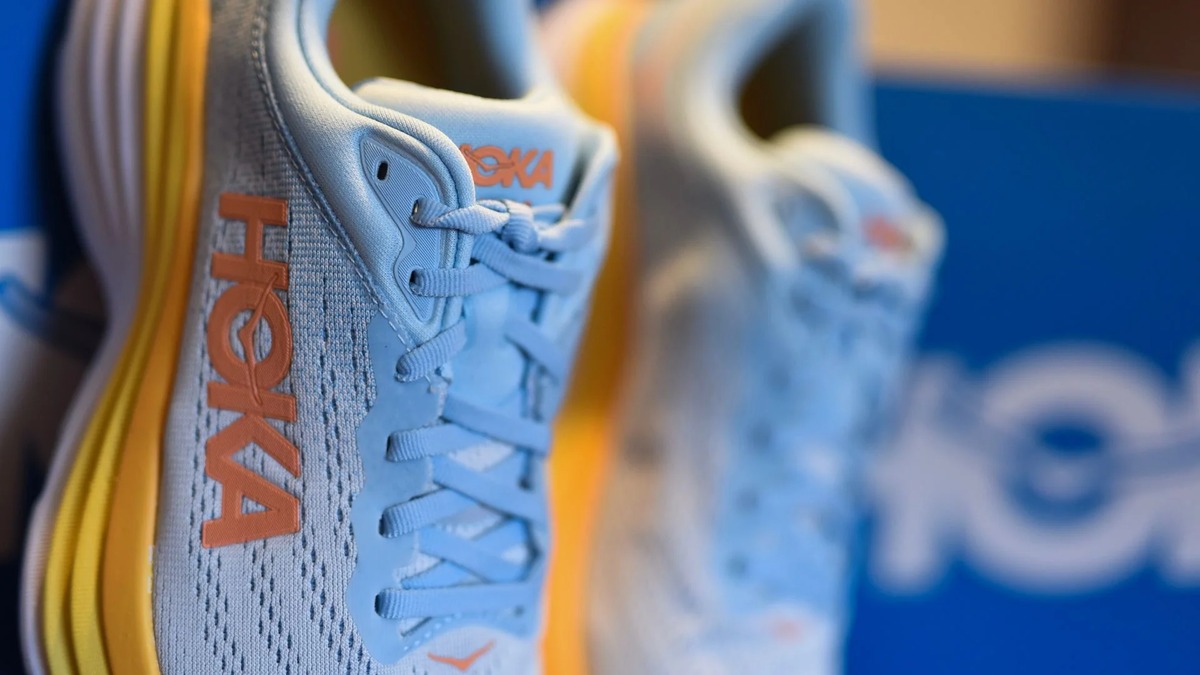
Comfort and Performance: A Synergy My Feet Adore
This is where Hoka truly shines for me. The synergy between comfort and performance is something I hadn’t fully experienced with other brands. It’s not just about softness; it’s about a supportive, resilient softness that both propels you forward and actively protects your body from impact.
For long walks or runs, the cushioning minimizes the cumulative impact on my joints in a way I hadn’t thought possible. I used to feel a dull ache in my knees and hips after covering significant distances, especially on hard surfaces, but with my Hokas, that sensation has been dramatically reduced, if not entirely eliminated. This reduction in impact means I can go further, enjoy my activity more thoroughly, and recover faster. I no longer dread the post-walk soreness that used to plague me. This responsiveness also means that while the shoes feel incredibly soft, they don’t feel slow, mushy, or unresponsive. The meta-rocker design genuinely helps facilitate a smooth, efficient transition from heel strike to toe-off, making each stride feel more fluid and less taxing. It’s almost like the shoes are working with you, gently guiding your foot through its natural motion.
Even beyond athletic pursuits, Hoka shoes have become a staple in my everyday life. Standing for long periods, like when I’m cooking a big meal, working on a project in the garage, or attending an outdoor event, used to be a challenge that left my feet screaming. Now, with my Hoka Bondi or Clifton, my feet feel significantly less fatigued, and my back doesn’t ache at the end of the day. It’s a small comfort that makes a huge difference in overall well-being and allows me to enjoy these activities without the constant distraction of discomfort.
Another happy Hoka wearer mentioned, *”I have plantar fasciitis, and finding shoes that don’t aggravate it has been a nightmare for years. My podiatrist actually recommended Hoka, specifically the Gaviota, and it has been a godsend. The arch support combined with the cushioning is just perfect for my high arches. I can walk again without constant, debilitating pain!”* This testimonial really resonates with my own experience of finding targeted relief.
Who are Hokas For? Everyone Who Values Their Feet!
Initially, I admit, I thought Hokas were exclusively for ultra-marathoners or serious runners chasing specific performance metrics. But my personal experience, and observing others around me, has completely changed my perspective. Hoka shoes are for anyone who values comfort, wants to reduce impact on their joints, or simply spends a lot of time on their feet. Their appeal is far broader than just the elite athlete.
* **Runners of all levels:** From beginners taking their first steps into running to seasoned marathoners, Hoka offers models suited for various distances, terrains, and foot needs. They provide the protection needed to keep going mile after mile.
* **Walkers:** This is where many people, like myself, find their true love for Hoka. The cushioning is exceptional for long walks, daily strolls, power walking, or even just exploring a new city on foot.
* **People with joint pain or foot issues:** The maximal cushioning and supportive designs can be a true game-changer for individuals suffering from conditions like plantar fasciitis, knee pain, hip discomfort, arthritis, or general foot discomfort that often accompanies aging or prolonged activity.
* **Service industry workers:** Nurses, retail associates, teachers, hospitality staff, construction workers – anyone who stands for hours on end will appreciate the profound relief and reduced fatigue Hoka provides. I’ve personally recommended them to several friends in these professions who now swear by them.
* **Casual wearers:** Yes, the look is distinctive, and they definitely aren’t minimalist. But once you prioritize the unparalleled comfort and support, the unique style grows on you. Plus, Hoka is continually refining their aesthetics, offering sleeker designs and a broader range of colorways that blend functionality with modern style.
Don’t let the “bulky” or “oversized” appearance deter you. While they certainly have a larger sole profile than traditional or minimalist shoes, the lightweight foam construction means they don’t feel heavy or cumbersome on your feet. In fact, many models, like my Cliftons, feel surprisingly light and nimble, which is a pleasant surprise given their substantial look. It’s a testament to the advanced materials Hoka uses in their construction.
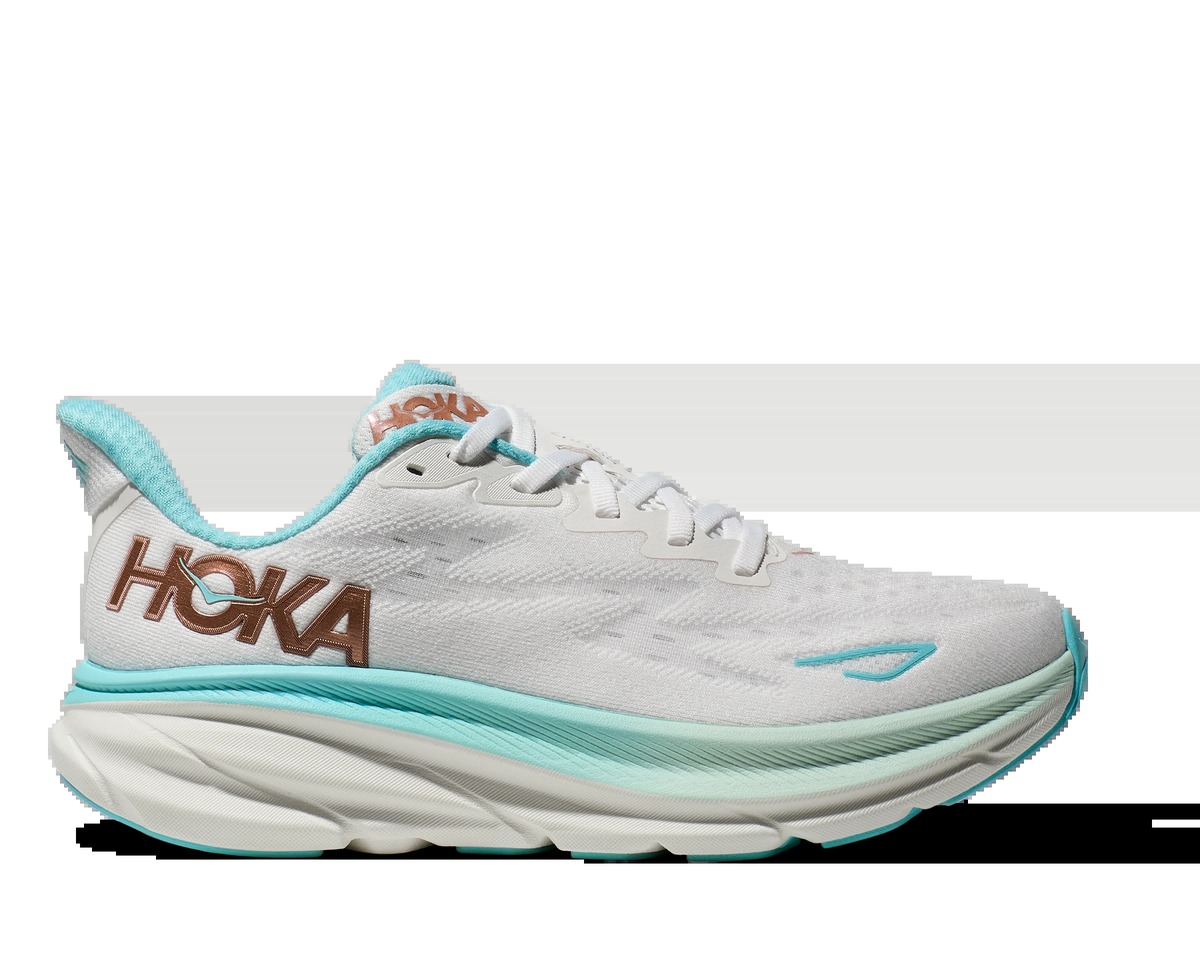
Durability and Value: Are They Worth the Investment?
Let’s talk about the elephant in the room: the price tag. Hoka shoes aren’t the cheapest on the market. They represent a significant investment compared to some budget-friendly options you might find. However, in my extensive experience, they are absolutely worth every penny.
I’ve found the durability of my Hoka shoes to be quite good, especially considering the amount of stress I put them through. My Clifton pair, which I wore almost daily for about a year for walks, errands, and general wear, held up remarkably well. The outsole showed expected wear patterns, but the cushioning remained responsive, the upper was still intact, and the overall structure maintained its


You May Also Like
Unveiling the Enduring Beauty of Noritake: My Timeless Table Companion

A Deep Dive into Silver Lining Herbs: My Animals’ Wellness Journey