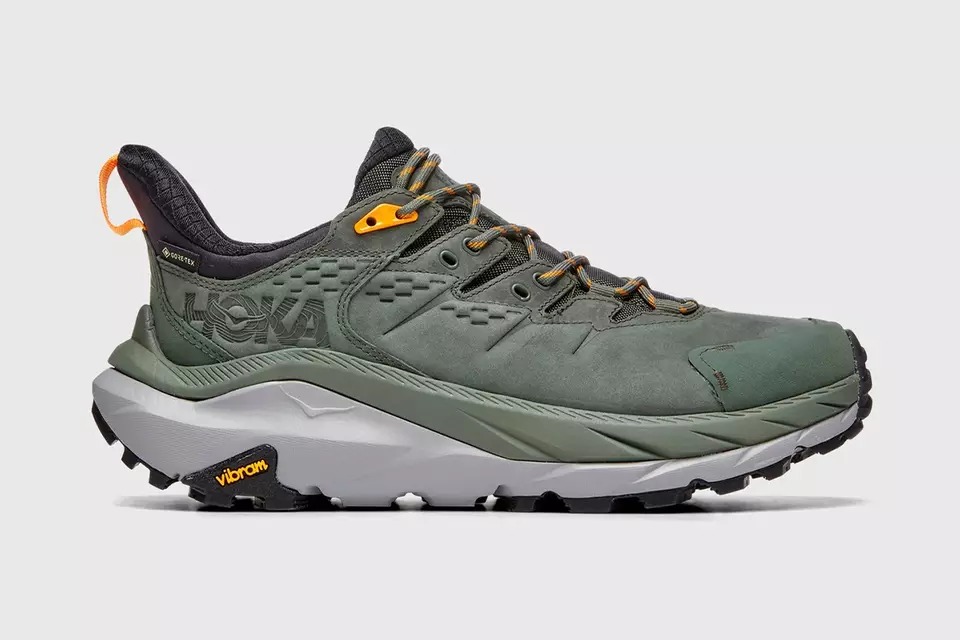
Hoka Shoes Review: A Real User’s Take on Cushioning, Performance, and Worth
Let’s talk about shoes. Not just any shoes, but the kind that make you genuinely excited to put them on, whether you’re hitting the pavement for a long run, heading out for a brisk walk, or simply bracing yourself for a day on your feet. For me, that’s Hoka. If you’ve been anywhere near the running, walking, or even just general comfort footwear scene lately, you’ve undoubtedly seen or heard of them. Those distinctively chunky soles, the vibrant colors, the almost cartoonishly oversized look – they stand out. But do they live up to the hype? Having personally logged countless miles and hours in various Hoka models, I’m here to spill the beans on my extensive experience.
Before Hoka entered my life, I was like many others, bouncing between different brands, always searching for that elusive perfect balance of comfort, support, and durability. My feet have always been a bit particular, prone to aches after long runs or even just extended periods of standing. Plantar fasciitis, runner’s knee – you name it, I’ve probably had a brush with it. I tried everything from minimalist designs to traditional stability shoes, but nothing quite clicked. Then, a few years ago, a friend, a seasoned ultra-marathoner, practically insisted I try a pair of Hokas. “They’re like running on clouds,” he said, with an almost evangelical fervor. Skeptical but desperate for relief, I finally decided to dive in. Little did I know, it would genuinely change my relationship with movement.
My first pair was a Hoka Clifton, a model often recommended as a great entry point into the brand. When they arrived, I admit, I chuckled a bit. They looked… substantial. Like tiny, brightly colored moon boots. But the moment I slipped them on, that initial skepticism melted away. The cushioning was unlike anything I had ever experienced. It wasn’t just soft; it felt incredibly protective, absorbing impact in a way that made my usual concrete jungle feel like a plush carpet. My first run in them was revelatory. The usual jarring sensation in my knees was significantly reduced, and my feet felt less fatigued afterward. It was clear from that very first outing that Hoka was onto something special. This wasn’t just another shoe; it was a game-changer.
Since then, I’ve expanded my Hoka collection, trying out different models for various activities – from daily training runs to casual walks and even just for standing around comfortably. It’s been an interesting journey, discovering the nuances between each Hoka design and how they cater to different needs. The brand’s commitment to maximalist cushioning, often referred to as their “meta-rocker” geometry, is truly what sets them apart. This design isn’t just about softness; it’s about creating a smooth transition from heel strike to toe-off, propelling you forward and reducing the strain on your joints. It’s an experience that you truly have to feel to understand, and once you do, it’s hard to go back.
If you’re curious about what Hoka has to offer and want to explore their innovative footwear, I highly recommend checking out their full range. You might just find your next favorite pair. Visit Official www.hokaoneone.com Website Now
What Makes Hoka Stand Out? My Personal Take on Key Features
Let’s dive deeper into the elements that, in my opinion, make Hoka shoes genuinely exceptional and why they’ve become my go-to for so many activities.
The Cushioning: A Cloud-Like Experience
This is Hoka’s bread and butter, their signature move. The extensive cushioning, particularly in models like the Bondi and Clifton, is not just hype; it’s a fundamental shift in how your foot interacts with the ground. For me, this translates to significantly reduced impact on my joints. After years of feeling every single pebble and crack in the sidewalk, the Hoka experience was a revelation. My knees, which used to ache after even moderate distances, now feel much more protected. This isn’t to say it feels like you’re sinking into quicksand; rather, it’s a responsive cushioning that absorbs shock and then gently springs back, giving you a sense of effortless momentum. It’s particularly noticeable on those long training runs where fatigue usually starts to set in around mile eight or nine. With my Hokas, I find I can push a bit further, or at least recover faster.
I remember one specific half-marathon where I decided to race in a new pair of Hoka Machs. I had been training in them for a few weeks, but race day always brings a different kind of intensity. My legs felt fresh for much longer than usual, and even in the final miles, when every step usually feels like a battle against gravity, I felt a noticeable spring. The cushioning provided that extra layer of protection that allowed me to focus on my pace, not on my pounding feet. It’s a feeling that makes you want to keep going, which for any runner, is invaluable.
Stability and Support: More Than Just Plushness
While Hoka is famous for its cushioning, it’s a misconception that all their shoes are simply soft and unstable. Many models are designed with significant support features. The J-Frame™ technology in shoes like the Arahi, for instance, offers dynamic stability without the traditional stiffness of motion control shoes. It gently guides your foot, preventing excessive pronation without feeling intrusive. For someone like me, who needs a bit of guidance without being overly corrected, this has been fantastic. I’ve found that even on uneven trails, the wider base of many Hoka shoes provides a surprisingly stable platform, reducing the wobble factor that you might expect from such a thick sole.
I often wear my Hoka Gaviota for longer walks and light hikes, and the confidence I feel on varied terrain is impressive. It’s not just about comfort; it’s about feeling secure in every step, knowing that the shoe is working with your foot, not against it. This blend of comfort and subtle support is something I genuinely appreciate and often overlook in other brands.
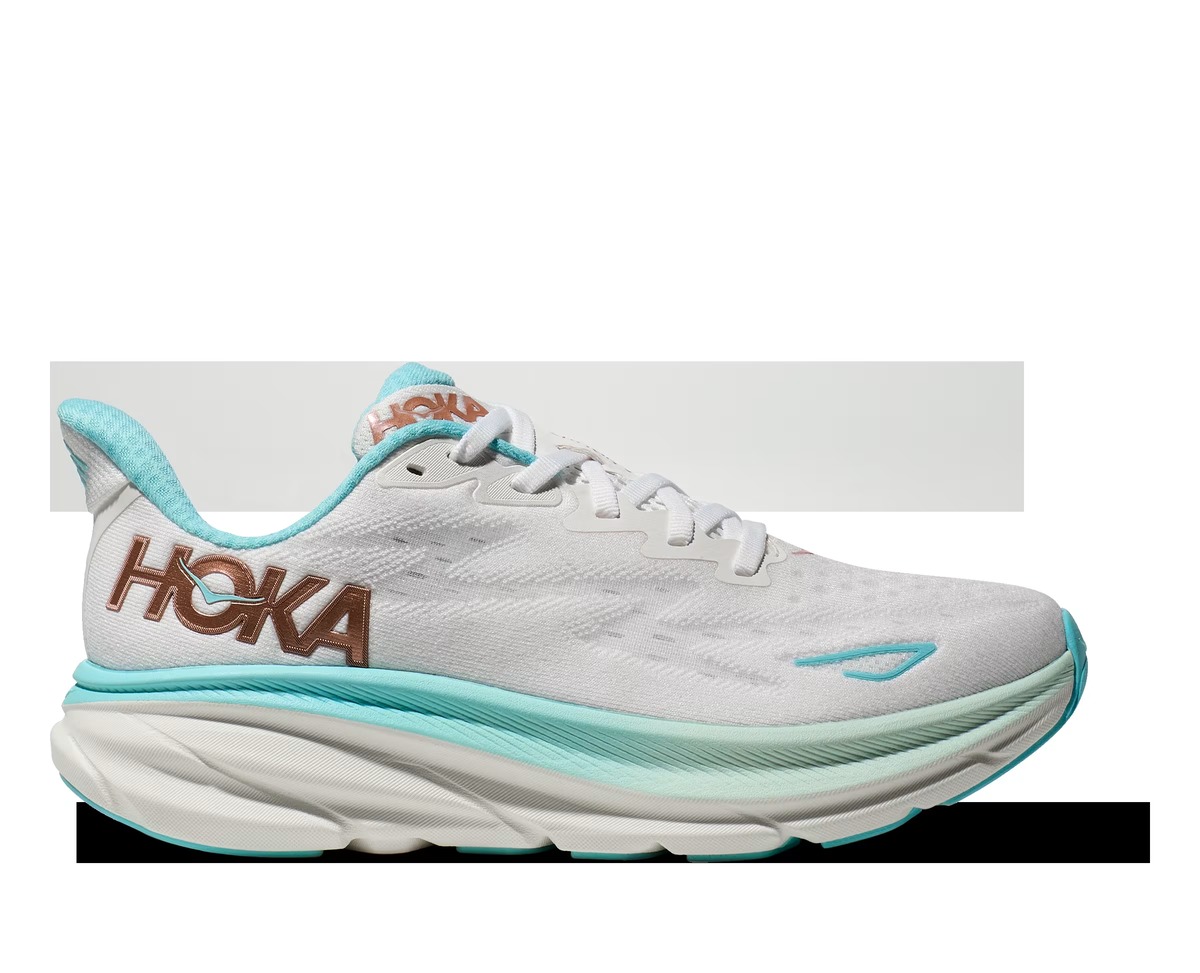
Durability That Goes the Distance
Given the price point of Hoka shoes (they are an investment, no doubt), durability is a major concern for me. I need my running shoes to last, to withstand the daily grind of pavement, trails, and gym floors. My experience has been largely positive in this regard. While the outsole rubber does show wear over time, as any running shoe would, the integrity of the cushioning and upper materials has held up remarkably well across the various models I’ve owned. I usually get between 300-500 miles out of a pair, depending on the model and how I use them, which is right in line with industry standards for high-performance footwear.
For example, my Hoka Speedgoat trail shoes have conquered countless rocky paths and muddy trails, and while they’re certainly scuffed and dirty, the grip is still reliable, and the upper hasn’t frayed or torn. It’s a testament to the quality of materials and construction that they can withstand such abuse and still perform admirably. This longevity makes the initial investment feel much more worthwhile.
Style and Aesthetics: Embracing the “Maximalist” Look
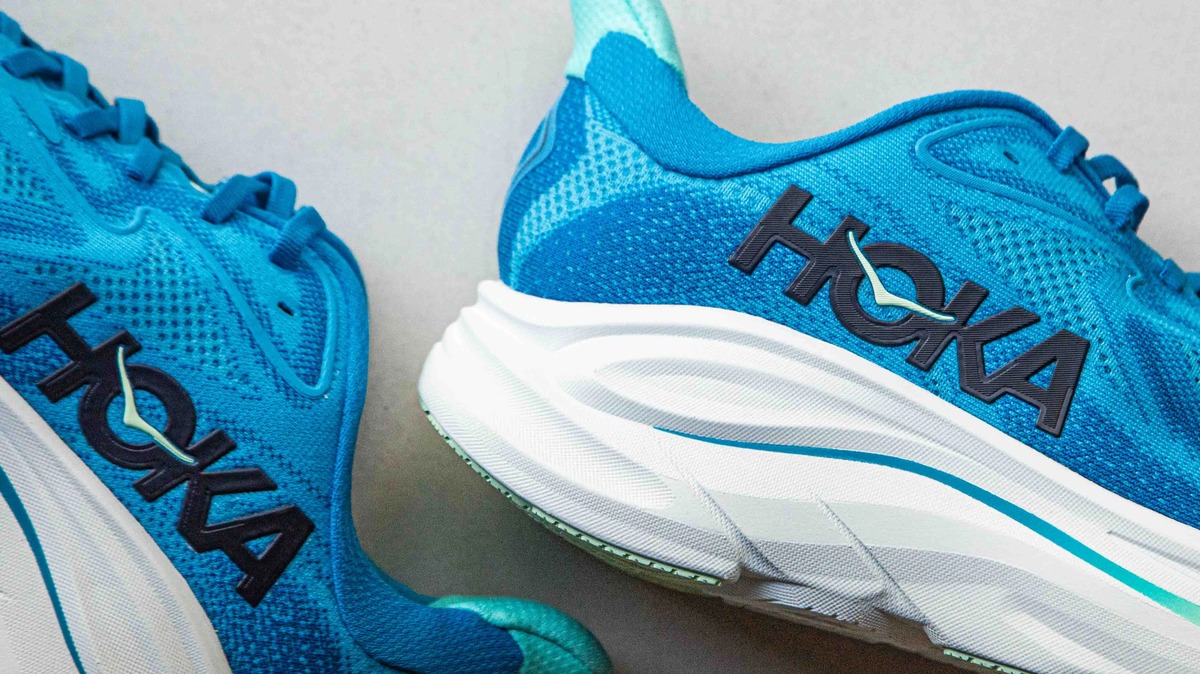
Let’s be real, Hoka shoes have a distinctive look. They’re not going to be mistaken for minimalist sneakers. The chunky sole is their defining characteristic. Initially, I was a bit hesitant about the aesthetics. They certainly stood out from my previous, more sleek running shoes. But over time, I’ve grown to appreciate their unique design. Plus, Hoka has been expanding its color palettes and refining its designs, making them much more appealing to a wider audience. They now offer a range of styles that are both functional and surprisingly fashionable, blending performance with an urban vibe. I’ve even started wearing some of my more subdued pairs for casual outings, pairing them with jeans or athleisure wear. Comfort has a way of trumping purely aesthetic concerns, especially when your feet thank you for it.
My Go-To Hoka Models & What I Love About Them
Having tried several models, I’ve definitely developed some favorites. Here’s a quick rundown of some I’ve personally experienced and why they might be right for you:
- Hoka Clifton: This was my gateway shoe, and it remains a fantastic all-rounder. It offers a perfect balance of cushioning and responsiveness, making it ideal for daily training, long runs, and even just walking around town. If you’re new to Hoka, the Clifton is an excellent starting point to experience that signature soft ride. It’s incredibly versatile and has served me well for countless miles.
- Hoka Bondi: If you’re looking for maximum cushioning, the Bondi is your go-to. It’s like running on pillows, designed for ultimate comfort and impact absorption. I reach for my Bondis on recovery days, when my legs feel tired, or for those really long walks where I know I’ll be on my feet for hours. It’s also my top recommendation for anyone who stands all day for work. The plushness is unparalleled.
- Hoka Arahi: For those who need a touch of stability without sacrificing cushioning, the Arahi is a brilliant choice. It incorporates Hoka’s J-Frame™ technology to provide support without feeling rigid. I appreciate how it gently guides my foot without interfering with my natural stride. It’s a great option for daily training if you’re a mild to moderate overpronator.
- Hoka Speedgoat: My absolute favorite for trail running. The Speedgoat is a beast on uneven terrain, offering incredible grip, protection, and enough cushioning to tackle ultra-distances. I’ve taken these through mud, over rocks, and across technical trails, and they’ve never let me down. The outsole traction is phenomenal, giving me confidence even on slippery surfaces.
Here’s what some other users have shared about their Hoka experiences, echoing many of my own sentiments:
“I used to dread my morning runs because of knee pain, but my Hoka Cliftons have made such a difference – my knees don’t ache anymore! It feels like I float through my runs.” – Sarah L.
“Standing on concrete all day at work was killing my feet and back until I got a pair of Hoka Bondis. Now, I can get through my shift without that crippling pain. Seriously life-changing.” – Michael P.
“I’m an avid trail runner, and the Hoka Speedgoat is simply the best shoe I’ve ever worn for technical terrain. The grip is incredible, and my feet feel protected and comfortable even after hours on the trails.” – Jessica T.
These experiences resonate deeply with my own. The protective cushioning and thoughtful design truly make a tangible difference in how your body feels, both during and after activity. It’s not just about the shoes; it’s about enabling you to do more of what you love, with less discomfort.
Addressing the Downsides: No Shoe is Perfect
While my overall experience with Hoka has been overwhelmingly positive, no product is without its potential drawbacks. It’s important to give a balanced perspective.
The Price Tag: An Investment
Let’s not beat around the bush; Hoka shoes are an investment. They typically fall into the higher end of the running shoe price spectrum. This can be a hurdle for some, and it’s a valid concern. However, I view it as an investment in my physical well-being. Given the comfort, support, and durability I’ve experienced, the cost is justified for me. When you consider the potential reduction in pain, recovery time, and the ability to continue pursuing activities you enjoy, the value becomes clearer. Plus, look for sales and previous season models, which can often be found at a discount.
The Aesthetic: Not for Everyone
As mentioned, the maximalist design isn’t universally loved. Some people simply prefer a more streamlined, traditional look in their footwear. If you’re someone who prioritizes sleekness above all else, the chunky sole might take some getting used to. However, as I’ve found, once you experience the comfort, the aesthetic often becomes secondary. And as I noted earlier, Hoka has been diversifying its designs and colorways, offering options that are a bit more understated while still delivering that signature performance.
Sizing Can Be Tricky (Sometimes)
While generally true to size, I have found slight variations between different Hoka models. For instance, some models might feel a touch narrower or wider than others. My best advice here is always to try them on if you can, or at least read reviews specific to the model you’re interested in regarding sizing. If ordering online, make sure you understand the return policy, just in case. I usually stick with my regular size, but I’ve learned to do a quick check of model-specific feedback.
Who Are Hoka Shoes For?
Based on my personal use and observations, Hoka shoes are a fantastic option for a wide range of people:
- Runners: Especially those who prioritize cushioning, are training for longer distances, or are looking for relief from joint pain.
- Walkers: Anyone who walks a lot for exercise or leisure will appreciate the plush comfort and support.
- Individuals on their feet all day: Nurses, retail workers, teachers – if your job demands long hours of standing or walking on hard surfaces, Hoka can be a game-changer for foot and lower body fatigue.
- People recovering from injuries: The impact absorption can be incredibly beneficial for those dealing with issues like plantar fasciitis, shin splints, or knee pain, helping to reduce stress on healing areas.
- Anyone seeking ultimate comfort: If comfort is your absolute top priority in footwear, you owe it to your feet to try Hoka.
They truly cater to a broad audience because the underlying benefit – superior cushioning and protection – is something almost everyone can benefit from. It’s not just for elite athletes; it’s for anyone who wants to feel better on their feet.
My Final Thoughts on Hoka Shoes
My journey with Hoka shoes has been nothing short of transformative. From alleviating nagging aches to simply making my daily activities more comfortable, they’ve proven their worth time and again. The initial skepticism about their bulky appearance quickly dissolved once I experienced the sheer comfort and performance benefits they offer. They’ve become a non-negotiable part of my footwear collection, and I genuinely look forward to lacing them up whether I’m heading out for a challenging run or just tackling a busy day.
If you’re on the fence, or if you’ve been curious about what all the fuss is about, I wholeheartedly encourage you to give Hoka a try. Your feet might just thank you for it. It’s more than just a shoe; it’s an experience of movement redefined, offering unparalleled comfort and support that can truly enhance your quality of life, one step at a time. Explore the different models and find the perfect fit for your lifestyle.
Ready to experience the Hoka difference for yourself? You can browse their latest collections and find the right pair for your needs directly from their official site. Visit Official www.hokaoneone.com Website Now
I hope my personal dive into the world of Hoka has been helpful. Happy walking, running, or standing – whatever your feet are up to!
Discover more about their innovative designs and find your perfect pair. Visit Official www.hokaoneone.com Website Now
Don’t miss out on exploring the full range of Hoka footwear. Visit Official www.hokaoneone.com Website Now


You May Also Like

My Deep Dive into Hoka Shoes: A Game Changer for Comfort and Performance

My Wardrobe’s Best-Kept Secret: Why Bardot is Always My Go-To for Effortless Style