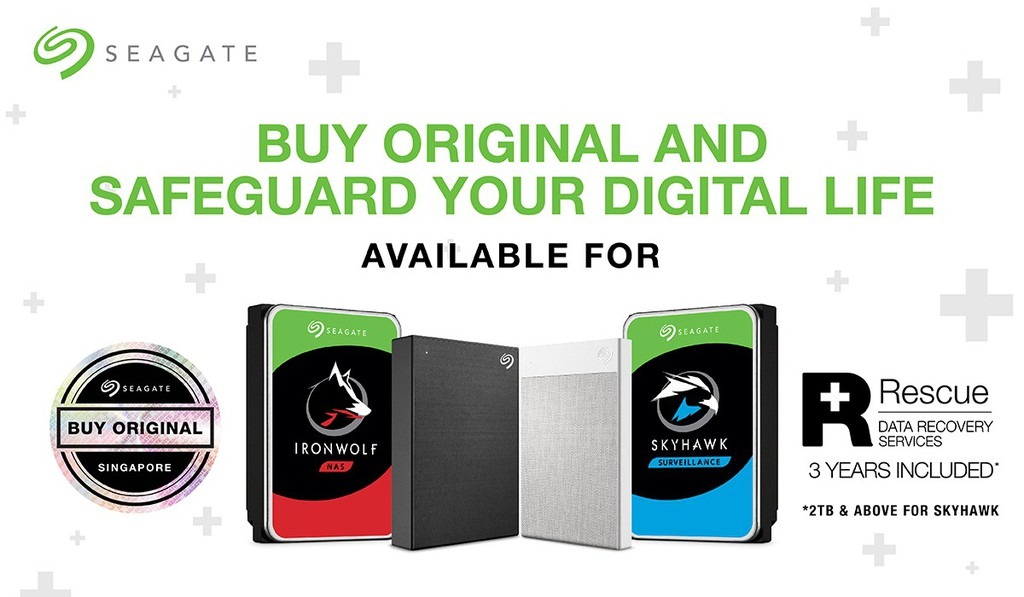
Powering My Digital Life: Why Seagate Remains My Go-To for Storage
Hey everyone! Today, I want to chat about something that’s become absolutely critical in our digital lives: data storage. Think about it – all those precious family photos, important work documents, massive game libraries, even just your everyday operating system… where does it all go? For me, for years now, the answer has almost always been Seagate.
You know how it is. One minute you’re happily snapping photos and saving files, the next you’re staring at a “Disk Full” error message, or worse, the chilling realization that your precious memories are gone due to a drive failure. It’s a nightmare scenario, and it’s why choosing the right storage solution isn’t just a technical decision; it’s about peace of mind. I’ve been through my fair share of computers, external drives, and even a couple of custom builds over the years, and in almost every instance, a Seagate drive has been at the heart of my setup. They’re a brand that’s practically synonymous with storage, and there’s a good reason for that staying power. They’ve been around forever, constantly innovating, and offering solutions for just about every need you can think of.
Before we dive into my personal stories and what makes them stand out, if you’re curious to check out their latest offerings and perhaps grab something for your own setup, you can always head straight to their official site: Visit Official seagate Website Now.
My Personal Journey with Seagate: From Backup Buddy to Gaming Powerhouse
Let me take you back a few years. My first real dive into needing substantial storage wasn’t for gaming, but for photography and videography. I was getting pretty serious about shooting events and family gatherings, and those RAW files and 4K videos add up *fast*. My laptop’s internal drive was constantly screaming for mercy. I knew I needed a reliable external solution, and after some research and recommendations from friends, I picked up a Seagate Backup Plus Portable Drive.
I remember thinking, “Okay, this thing just needs to work.” And work it did. It was a simple plug-and-play experience. I dragged and dropped thousands of photos, gigabytes of video footage, and all my important documents onto it. The peace of mind that came with knowing my data was safely backed up on a separate drive was invaluable. I’ve dropped that specific drive a couple of times (accidentally, of course!) and while I wouldn’t recommend it, it’s still chugging along years later. That initial experience really solidified my trust in Seagate. It wasn’t just about capacity; it was about reliability and ease of use. I’ve since upgraded to larger capacity Seagate external drives, but that first one really set the stage. If you’re someone who needs a simple, robust solution for backing up your life, a Seagate external drive is seriously worth looking into.
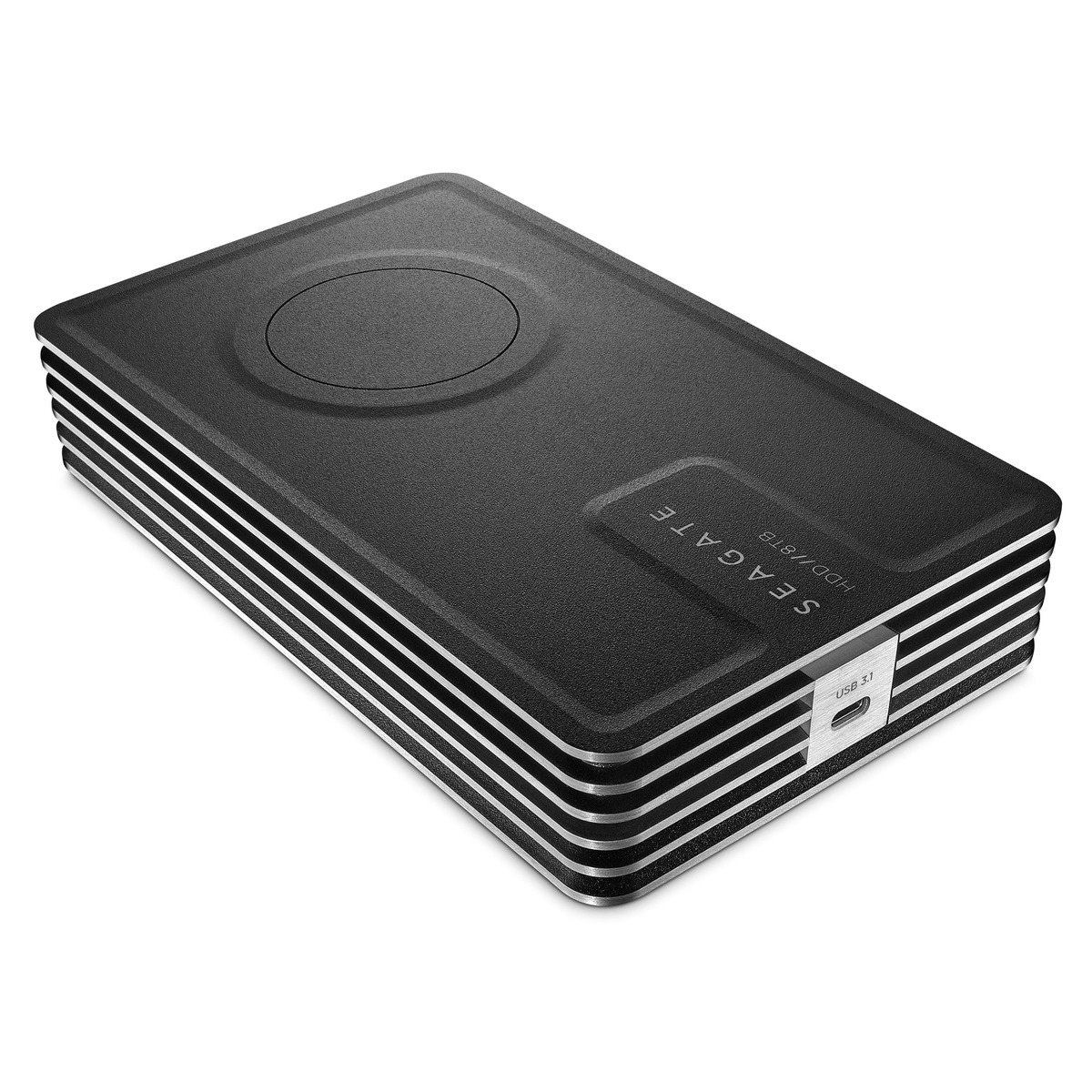
Building Blocks: Internal Drives for PCs
When I decided to build my first custom PC, the choice of internal drives was a big one. I wanted a fast boot drive, and then plenty of space for games and media. For the main storage workhorse, a Seagate Barracuda HDD was a no-brainer. These drives are legendary for their balance of performance and sheer capacity at an affordable price. I still have a couple of these humming along in my current rig, storing everything from my Steam library to old movies and TV shows. They’re consistent, reliable, and frankly, I forget they’re even there, which is exactly what you want from a storage drive.
Later, when SSDs became more mainstream and affordable, I dabbled in those too. I upgraded my main gaming drive to a Seagate FireCuda SSHD (Solid State Hybrid Drive), which combined the speed benefits of a small SSD cache with the large capacity of a traditional HDD. The difference in game load times and overall system responsiveness was noticeable. It wasn’t quite pure SSD speed, but it was a fantastic middle-ground, especially for the price at the time. More recently, I’ve gone full NVMe for my boot drive, but for bulk storage, especially when budget is a consideration, Seagate’s internal HDDs are still incredibly relevant. They deliver on their promise of consistent performance without breaking the bank.
And speaking of upgrades, if you’re considering a new drive for your setup or just browsing options, you can explore the full range right here: Visit Official seagate Website Now.

Gaming On The Go (or Just Expanding Console Storage)
As a pretty avid gamer, another area where Seagate has really come through for me is console storage. My PlayStation 4 (and now my PS5) fills up shockingly fast with those massive game installs. I grabbed a Seagate Game Drive for PlayStation, and it was a total game-changer (pun intended!). Suddenly, I wasn’t constantly deleting games to make space for new ones. It connected easily, the console recognized it right away, and transferring games was a breeze. It’s essentially the same reliable external drive technology, but optimized and branded specifically for gamers. It just works, allowing me to focus on playing, not managing storage space. For Xbox gamers, they have similar options, and I’ve seen friends use them with similar positive experiences.
A Look at the Seagate Lineup I Know and Trust
Seagate isn’t just one type of drive; they have a comprehensive portfolio designed for pretty much every use case imaginable. Here are a few that I’m familiar with, either through personal use or extensive research:
* **Seagate Barracuda:** This is your everyday workhorse. Whether it’s for a desktop PC, a modest server, or just raw storage, Barracuda drives are known for their great balance of capacity, performance, and value. They’re the bread and butter of reliable, affordable storage. My custom PC wouldn’t be the same without my Barracuda drives handling all my game installs and media.
* **Seagate FireCuda:** These are designed with gamers and creative professionals in mind. You’ll find both SSHDs (Solid State Hybrid Drives) and pure NVMe SSDs under the FireCuda banner. If you want faster load times for games, quicker application launches, or smoother video editing, but still need decent capacity, the FireCuda line offers that performance boost. I definitely felt the speed difference when I switched to a FireCuda SSHD.
* **Seagate IronWolf:** While I don’t personally run a full-blown NAS (Network Attached Storage) at home, I’ve researched them extensively for future projects, and IronWolf drives consistently come up as the go-to for these systems. They’re built for 24/7 operation, have higher workload rates, and specific firmware (AgileArray) designed to optimize performance in multi-drive environments. My tech-savvy cousin swears by his IronWolf drives in his home media server for their robust performance and reliability.
* **Seagate Exos:** These are their enterprise-grade drives. Think data centers, massive cloud storage solutions. While certainly overkill for a typical home user, it’s a testament to Seagate’s engineering prowess that they’re also building drives designed to run constantly in extreme environments with massive capacities and rock-solid reliability. It just goes to show the depth of their expertise in the storage world.
* **Portable External Drives (Backup Plus, Expansion, One Touch):** These are the ones I mentioned earlier – my first true love in the Seagate world. They come in various capacities, often feature simple backup software, and are incredibly convenient for taking data on the go or for quick, reliable backups. They’re essential for anyone who doesn’t want to mess with internal installations.
What I Really Appreciate About Seagate
Beyond just the drives themselves, there are a few things that keep me coming back to Seagate:
* **Reliability:** This is paramount. I’ve had drives from other brands fail on me, taking data with them. My Seagate drives, both internal and external, have consistently performed without a hitch, often for many years. It’s the kind of reliability you can build your digital life around.
* **Software & Tools:** Their Seagate Toolkit software, for example, is super user-friendly for setting up backups or syncing files on their external drives. And SeaTools, their diagnostic software, is a handy utility for checking the health of your drives. They don’t just sell you hardware; they provide tools to help you manage it.
* **Variety:** As you can tell from the product lines, they truly have something for everyone. Whether you’re a casual user, a hardcore gamer, a creative professional, or someone setting up a home server, Seagate has a tailored solution.
* **Value:** For the most part, Seagate offers extremely competitive pricing for the performance and capacity you get. You’re not paying a premium just for the name; you’re paying for proven technology.
What Real Users Are Saying
I’m not the only one who feels this way about Seagate. I often browse forums and product reviews before making purchases, and here’s a snippet of what other users frequently share:
* “I’ve been using Seagate drives in my home server for years now. They just run and run. Never had a single issue with any of my IronWolf drives.” – Tech_Savvy_Dad, Reddit
* “Bought a portable Seagate drive for my PS5 storage expansion, and it was seriously the easiest setup ever. Plugged it in, formatted it, and I was moving games over in minutes. Couldn’t recommend it more for console gamers.” – GamerGirl88, Amazon Review
* “Upgraded my old desktop with a Barracuda a few months back. For the price, the speed and storage capacity are unbelievable. It’s breathed new life into my machine.” – PCBuilder_Novice, Newegg Review
* “My Backup Plus has saved my photo library more times than I can count. I travel a lot for work, and it’s always in my bag. Absolutely essential for anyone who values their data.” – WanderlustPhotog, Best Buy Review
A Few Things to Keep in Mind
No brand is perfect, and while my experience with Seagate has been overwhelmingly positive, it’s always good to have a balanced perspective. Like any large manufacturer, specific models can have variations. It’s always smart to read recent reviews for the *exact* model you’re looking at, just to make sure it fits your specific needs in terms of noise levels, power consumption, or specific use cases. For example, a high-performance enterprise drive like an Exos is fantastic for a server but might be overkill (and a bit louder) for a quiet home desktop. The key is matching the drive to your intended purpose.
My Recommendation and Final Thoughts
So, after all these years, countless files, and several different setups, would I still recommend Seagate? Absolutely, unequivocally yes. For anyone looking for reliable, high-capacity, and often high-performance storage solutions, Seagate consistently delivers. They’ve earned my trust through consistent performance and by safeguarding my most important digital assets. Whether you’re upgrading an old laptop, building a new gaming rig, backing up your entire digital life, or expanding your console’s storage, there’s a Seagate drive out there that’s perfect for the job.
They’ve been a constant in my tech journey, and I genuinely believe they offer some of the best value and reliability in the storage market today. Seriously, give them a look. You won’t be disappointed.
Ready to secure your data or expand your storage? Check out the full range of Seagate products and find the perfect fit for your needs: Visit Official seagate Website Now.


You May Also Like

My Love Affair with 525 America: Why This Brand Stays in My Closet

My Deep Dive into Mitra9: Real Experiences and Why I Keep Coming Back